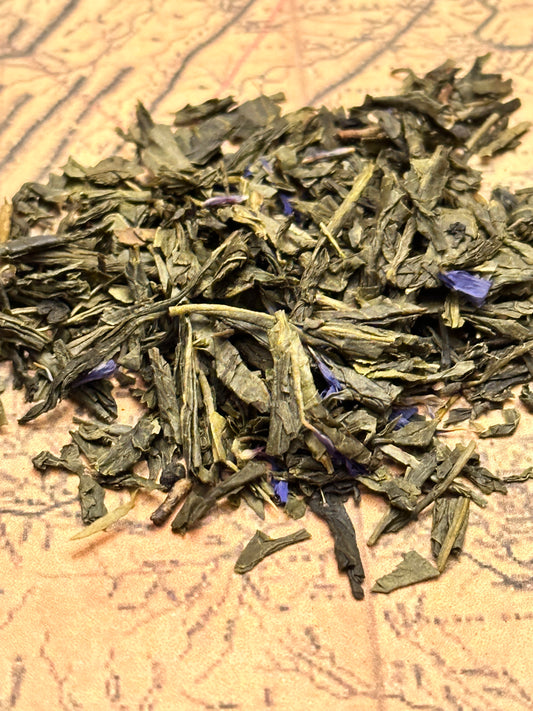
A lot can said for tea, one plant, many flavors based on the region and climate in which it grows. Basically, it's hot water and leaves, however the human palate developed the ability to discern subtle variations in taste and tea is a great way to explore this trait. Below is a discussion on the basic tea types. It's lengthy, but it's necessary for those that want to learn.
Enjoy life...Drink tea!
The teas of life
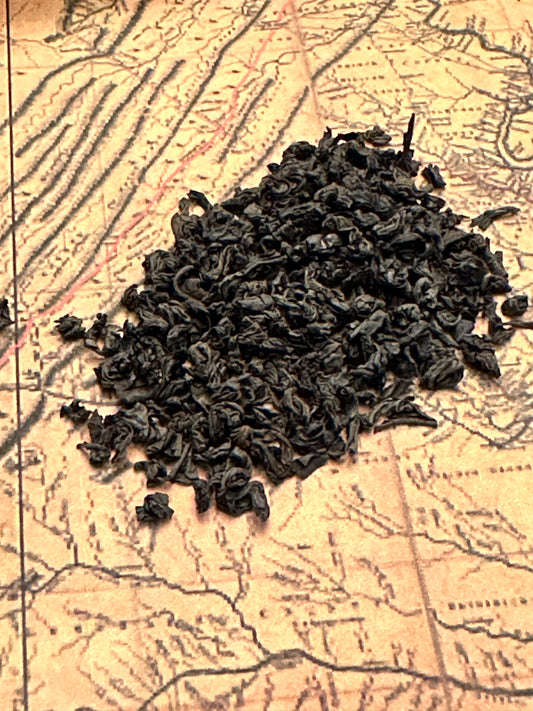
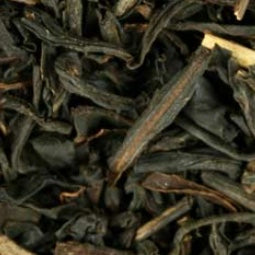
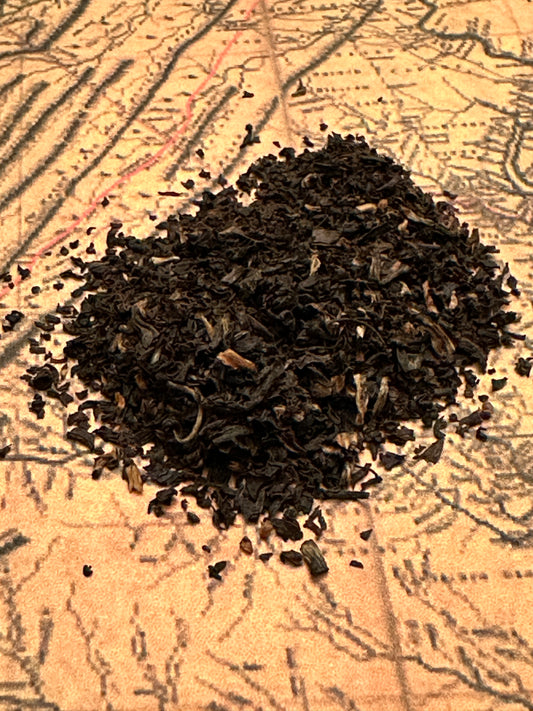
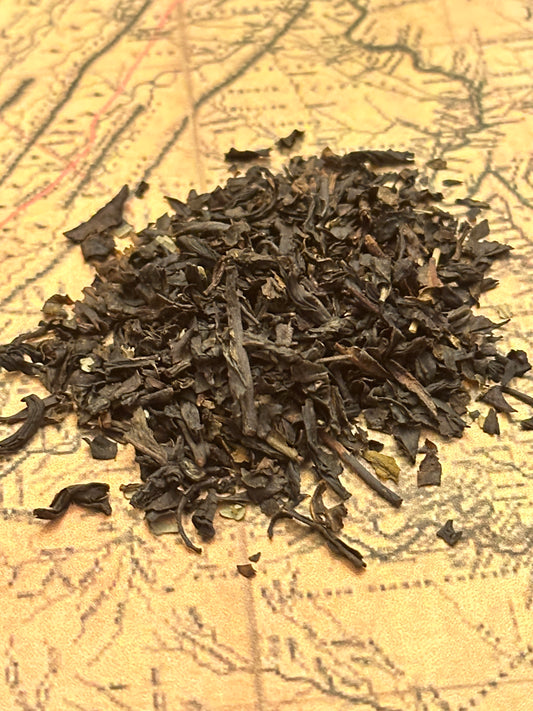
Black teas are considered fully oxidized which give them a bold, full bodied taste. If you’re looking for a morning tea to get you going, this is a great place to start. Whether a breakfast blend or single-estate Assam, black teas have enough strength and body to get you through the toughest morning.
It takes a series of steps to create the finished black tea in your cup. After the tea is plucked, it is allowed to wither. Withering removes moisture from the leaves to get them ready for further processing. The withering can be done outside in the sun or in a temperature controlled environment. After withering, the leaves are rolled into a particular shape. The rolling helps to bruise the leaves, which breaks down the cell walls to start the oxidation process. Rolling can be completed manually or by machine. Now that the leaves are rolled, the oxidation process can really get going.
Oxidation is a chemical process, and the easiest way to imagine it is to think of an apple. You’ve probably seen what happens to a sliced apple if it’s left alone exposed to the air. The flesh begins to turn brown and it even changes in flavor. This is the same process the bruised tea leaves are put through. The leaves are spread out and allowed to oxidize for several hours in a humid environment. This step is key to creating a bold, brisk flavor and the bright reddish color you get in the cup. Black teas are considered 100% oxidized.
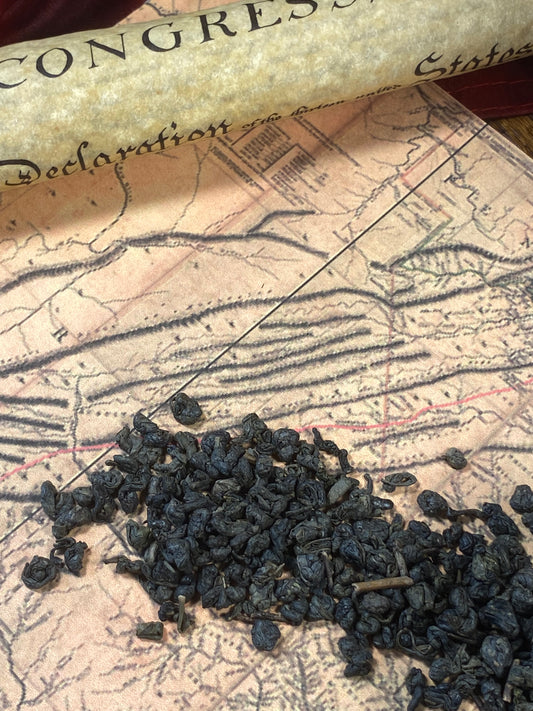
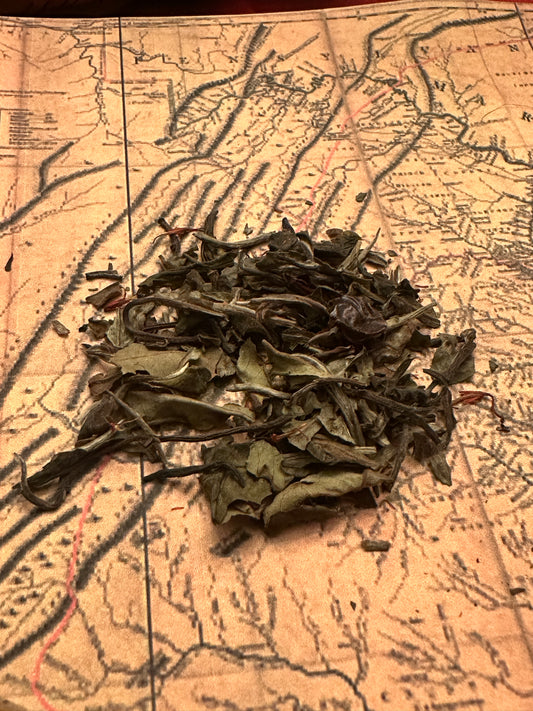
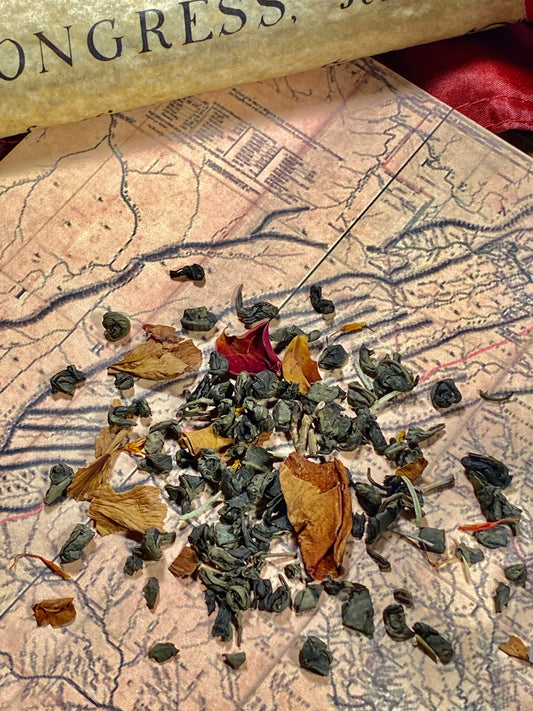
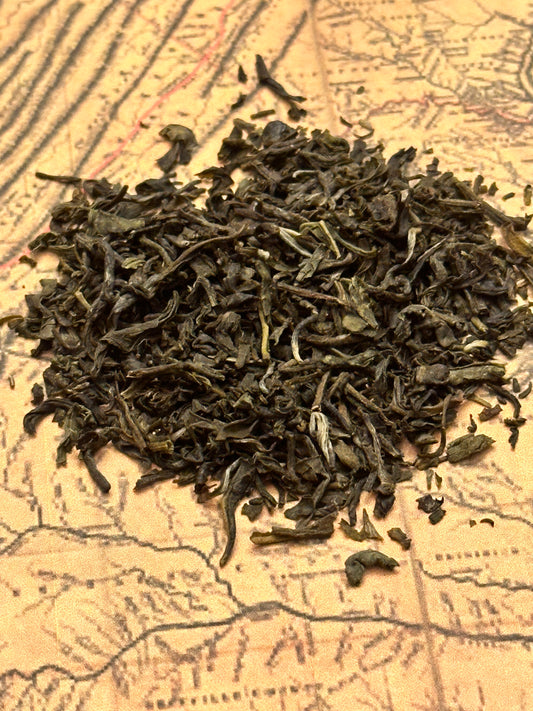
Green Teas bring fresh and vibrant flavors to your tea cup that are difficult to resist. These flavors vary greatly depending on where it’s grown and how it’s processed. The deeply grassy and marine notes in Japanese greens are very different from the slightly nutty, cooked vegetal flavors often found in Chinese green teas. There is a wide range of flavors to experience with every new green tea you try.
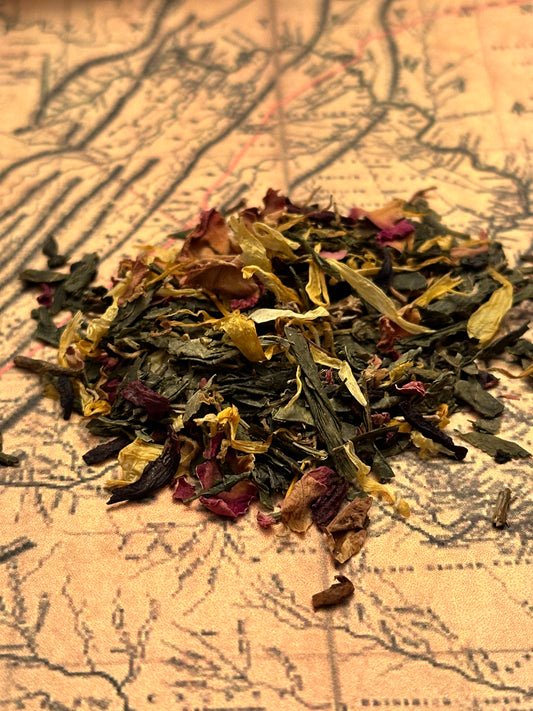
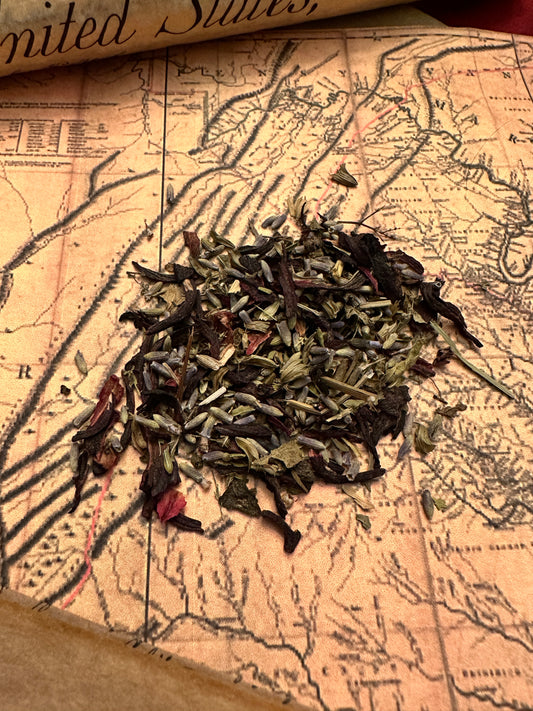
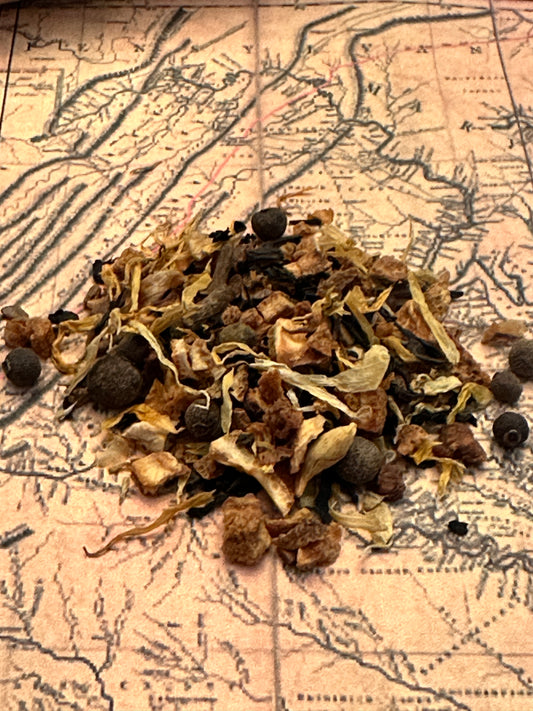
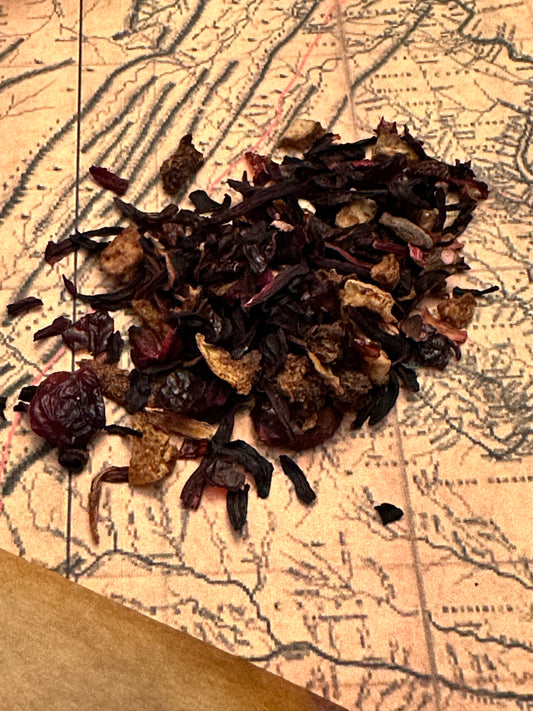
Herbal Teas contain many different types of ingredients, including berries, fruits, rooibos, rose hips, rose petals, flowers, lavender, hisbiscus, licorice, and so much more. Each ingredient provides unique tastes in addition to imparting health benefits.
Perhaps, in a moment, you can transport yourself back through time with a Darjee Herbal Tea and take advantage of nature's bounty. Aye, the Bounty!